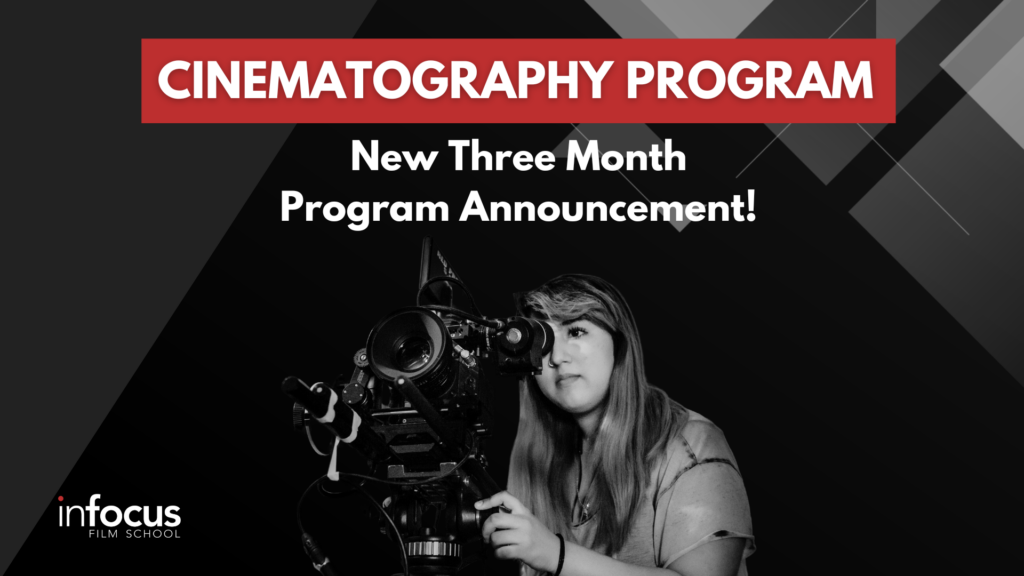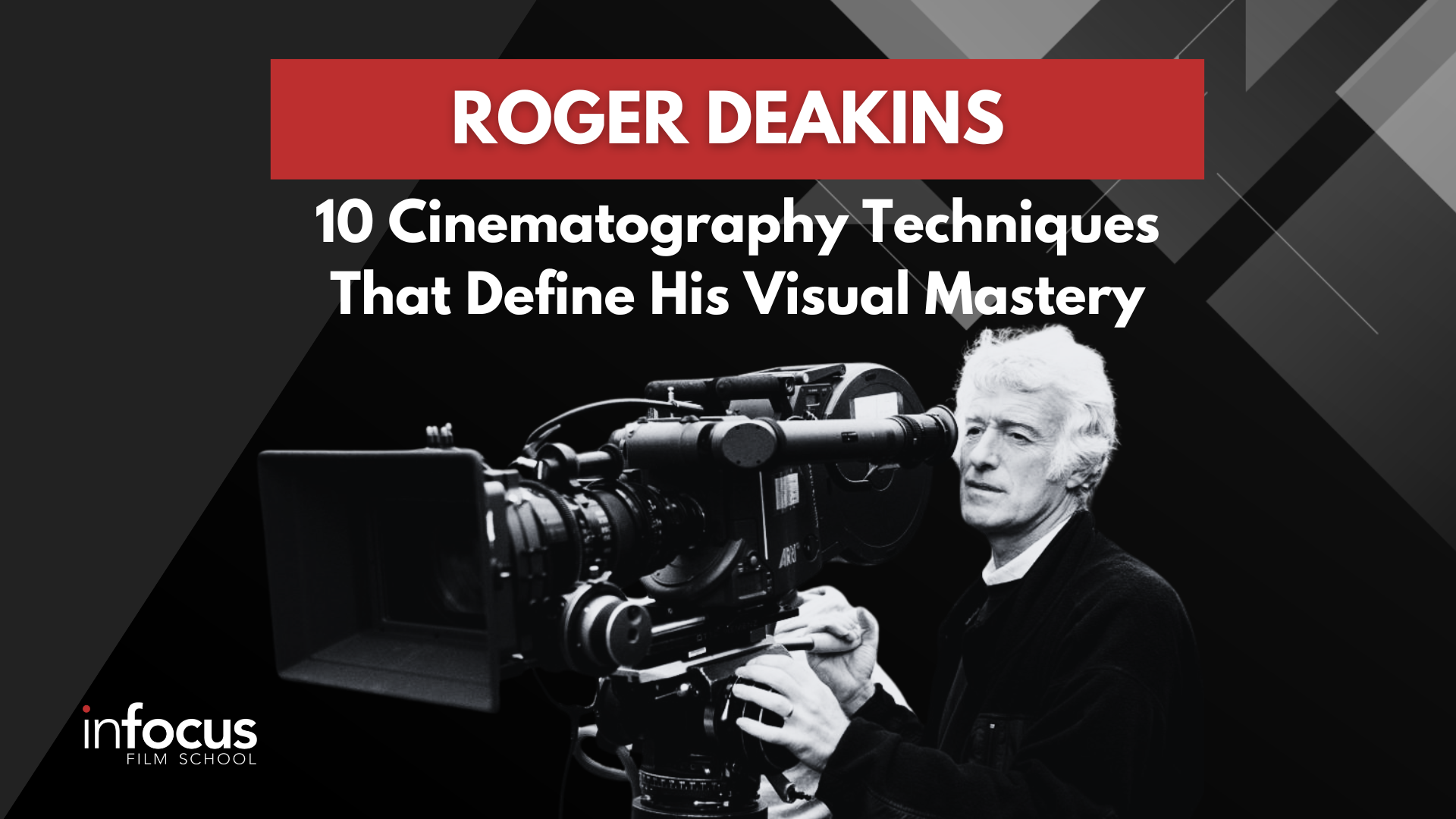
We’re thrilled to announce the launch of our brand new Cinematography Course at InFocus Film School—designed specifically for those who are ready to turn their passion for visual storytelling into a career behind the camera.

This is more than just a course. It’s a hands-on, industry-focused journey that will train you to become a master of light, camera, and composition in just three months.


Why Study Cinematography?

Great cinematography is what transforms a good story into a powerful, visual experience. Whether you’re dreaming of shooting feature films, television, commercials, or music videos, a solid foundation in cinematography is essential—and that’s exactly what this program delivers.

Our cinematography program is built from the ground up to mimic the real-world experiences of working Directors of Photography and other members of the Camera and Lighting Departments. You’ll be learning with professional cinema cameras, lighting gear, and industry workflows right from day one.

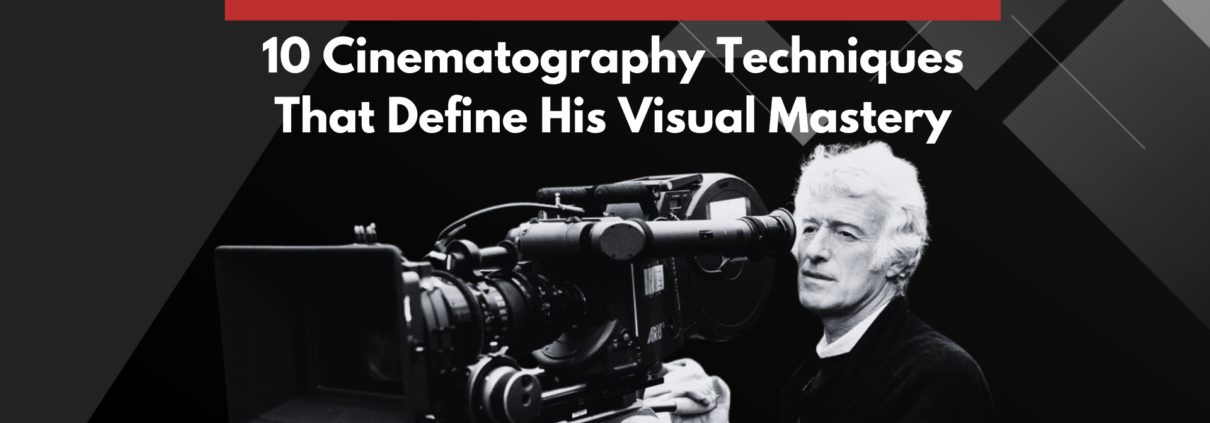
Read more: Roger Deakins: 10 Cinematography Techniques That Define His Visual Mastery

What Makes Our Cinematography Course Unique?

This isn’t a theory-heavy program. It’s an immersive, production-based experience led by professional cinematographers.

Here’s what you’ll get:

  • Hands-On Training – You’ll grow from using basic entry-level cameras to industry standard professional equipment week after week.

  • Lighting Mastery – Learn how to shape light with precision and style to create mood, depth, and emotion in every frame.

  • Visual Storytelling Techniques – Understand how to tell a story through camera movement, shot composition, and lighting.

  • Set Experience – Collaborate with directing and production students to gain real on-set experience, just like a working DOP.

  • Career Preparation – Develop a killer portfolio and reel that showcases your unique visual style and technical ability.

Learn in the Heart of Vancouver’s Film Industry

Based in Vancouver, one of the largest film hubs in North America, InFocus Film School offers access to a thriving industry, top-tier instructors, and countless networking opportunities. Our cinematography program connects you directly with the film community through guest lectures, workshops, and on-set experience.

Whether you’re just getting started or looking to specialize, this program can help you launch your career fast, with the skills and confidence to walk onto a professional set and deliver.

Ready to Get Behind the Camera?

If you’re passionate about creating unforgettable visuals and want to train in a fast-paced, collaborative environment, the InFocus Cinematography Program is your next step. The program will launch in early 2026. Join the waitlist now.

Lights. Camera. Your future.
Learn more and join the wait list today. [Click here]

cinematographer roger deakins

cinematographer roger deakins

Cinematographer Roger Deakins is more than a technician behind the camera. He is a poetic voice in the world of cinema. His ability to shape light, shadow, and space into emotionally rich storytelling has changed the way we look at film. From Skyfall to Blade Runner 2049, 1917 to The Assassination of Jesse James by the Coward Robert Ford, his work does not simply capture scenes. It captures the soul of a story. As a long-time admirer of his films, I can say without hesitation that Deakins’ cinematography has inspired the way I watch, understand, and even feel movies. Here are ten essential techniques used by cinematographer Roger Deakins that continue to define his genius and influence filmmakers everywhere.

Interested in becoming a Cinematographer? Check out our Cinematography Program and request more information today! [Click here]


1. Naturalistic Lighting in the Films of Cinematographer Roger Deakins
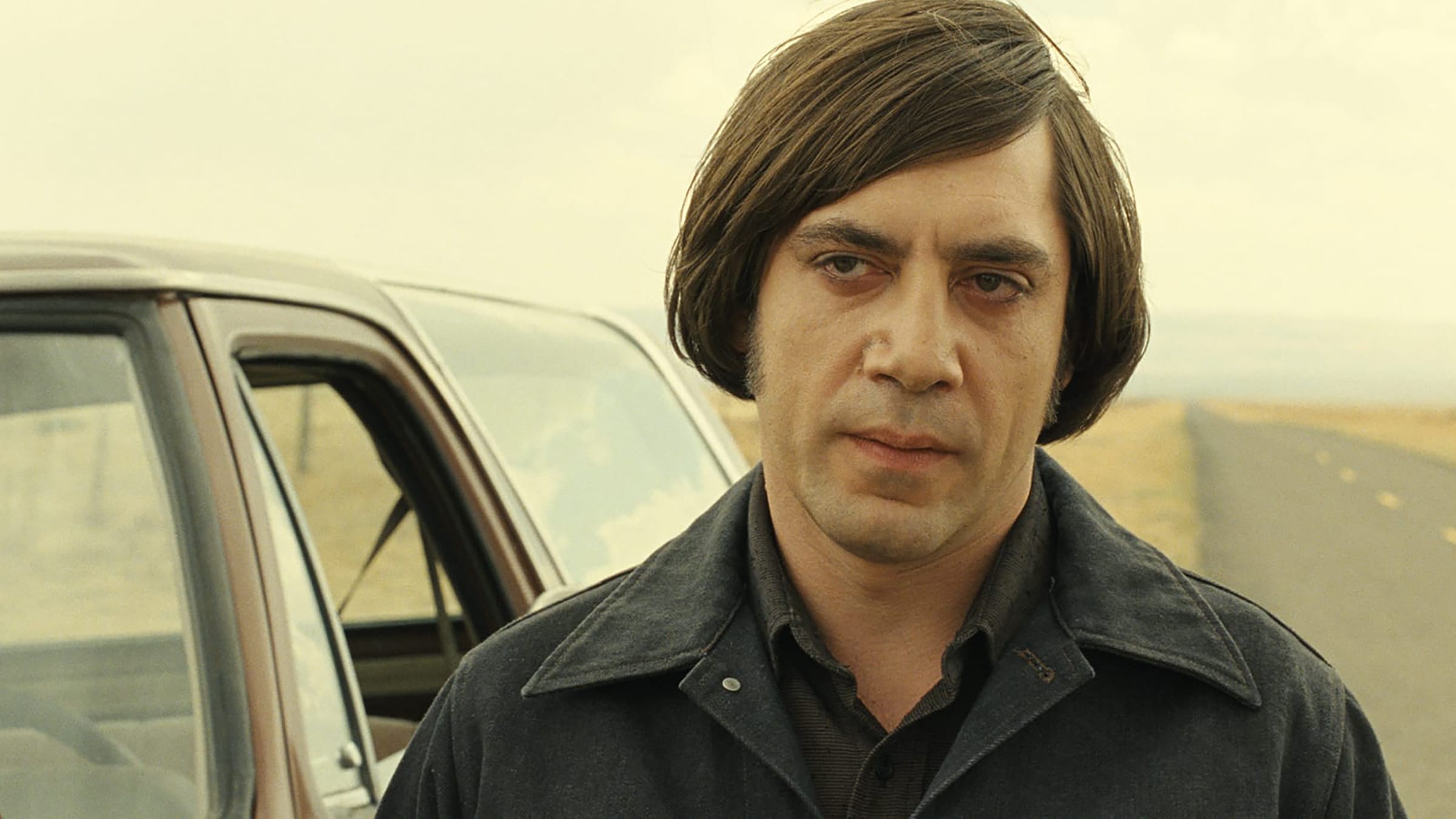
no country for old men - roger deakins

No Country for Old Men (2007)

What sets cinematographer Roger Deakins apart, first and foremost, is his devotion to natural light. He has a profound respect for realism and the emotional honesty that comes with it. Rather than dominating a scene with artificial lighting, Deakins allows the natural environment to do much of the work. Watching No Country for Old Men, I remember being struck by how raw and grounded everything felt, as if we were truly standing under the same dim bulbs or basking in the same harsh Texan sunlight.

In The Assassination of Jesse James by the Coward Robert Ford, his use of early morning light and flickering candle flames pulls us into the era in a way no costume ever could. Deakins once said that he does not want the lighting to be noticeable. It feels as if it simply belongs there, and it always does. His lighting does not impose meaning. It reveals it.


2. Minimalist Composition: The Silent Power of Simplicity
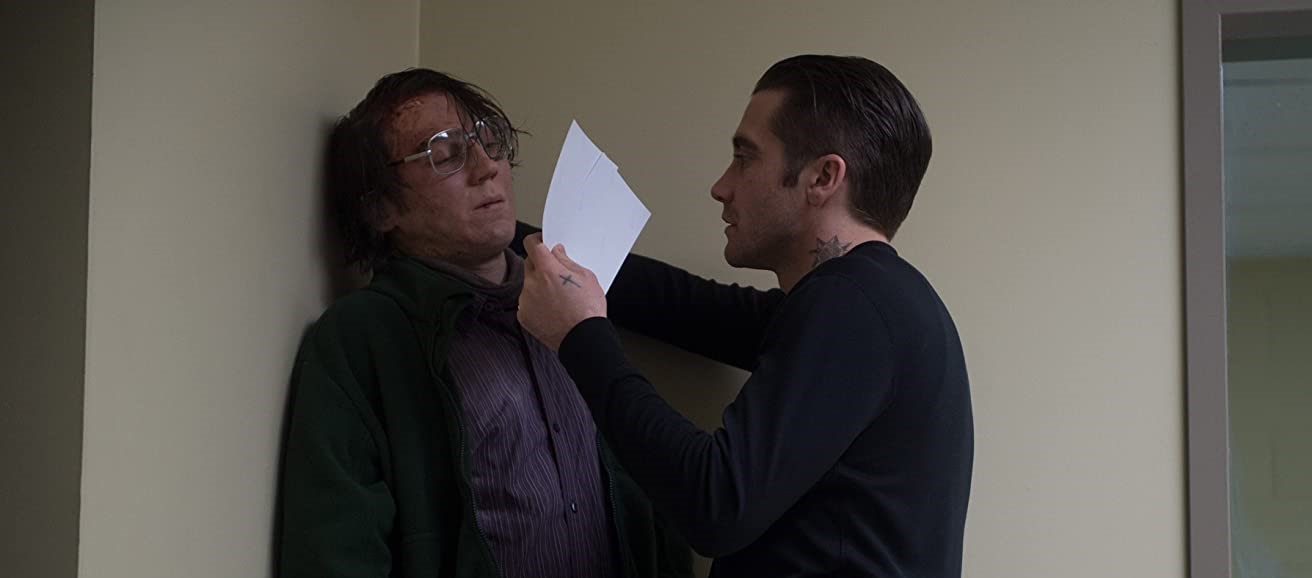
prisoners - roger deakins

Prisoners (2013)

Cinematographer Roger Deakins understands the emotional strength of simplicity. His compositions are often stripped of excess, leaving only what is essential to the scene. There is a quiet bravery in this approach. I think of Prisoners, where vast negative space surrounds Hugh Jackman’s character, amplifying his despair and isolation. Or 1917, where a lone soldier runs across a battlefield, framed against a pale, empty sky.

The emptiness speaks volumes. These frames do not shout. They whisper. For Deakins, the image is never busier than the emotion it is meant to convey. This philosophy results in visuals that linger in your memory long after the credits roll.


3. Shadows and Silhouettes: Painting with Darkness
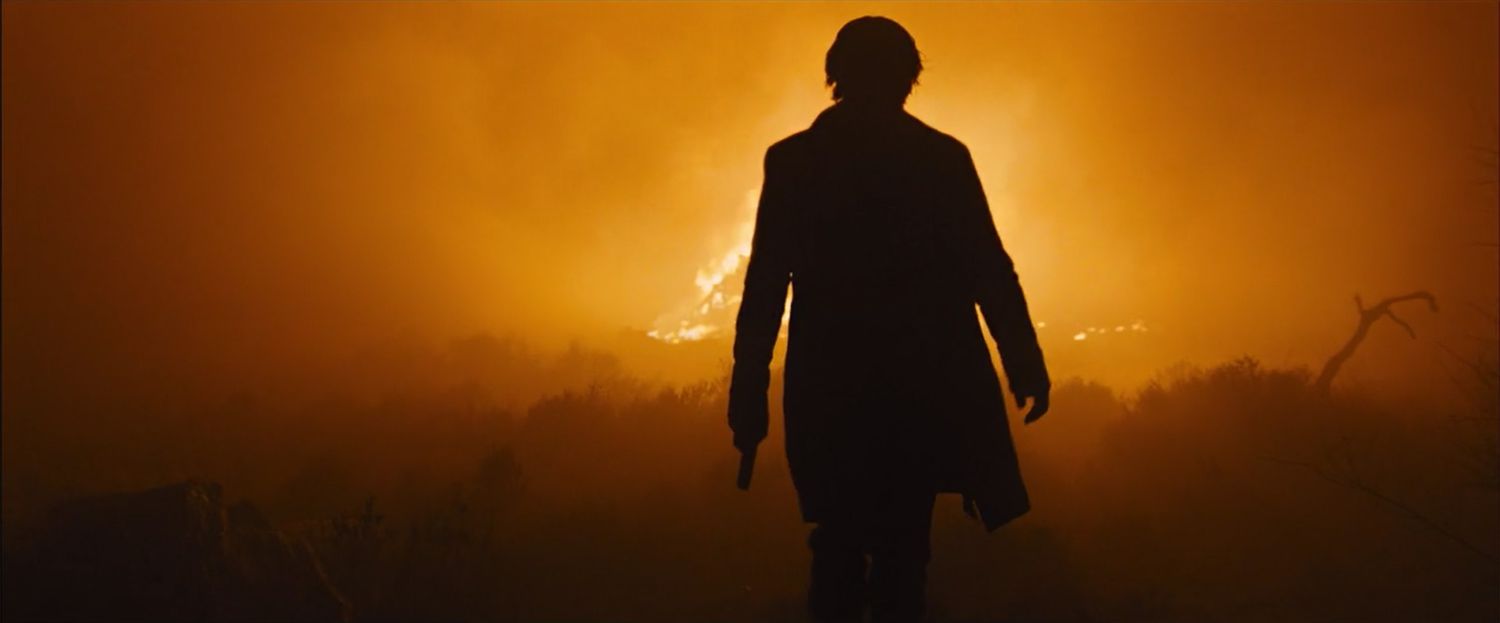
Skyfall - Roger Deakins

Skyfall (2012)

One of the most emotionally stirring tools in the arsenal of cinematographer Roger Deakins is his use of shadow. He does not light everything to be seen. He lights what must be felt. In Skyfall, there is a moment where James Bond fights a killer in front of glowing neon signage. Their figures are just silhouettes, locked in an elegant yet deadly dance. I remember watching it in the theatre, breathless. The scene was more than just beautiful. It was mythic.

Similarly, in Blade Runner 2049, hazy shadows create a dystopia that feels both alien and intimate. Deakins uses darkness not as a void but as a canvas, sculpting emotion through what he chooses not to show. His shadows evoke more than any spotlight ever could.


4. Framing with Architecture: The Visual Language of Barriers
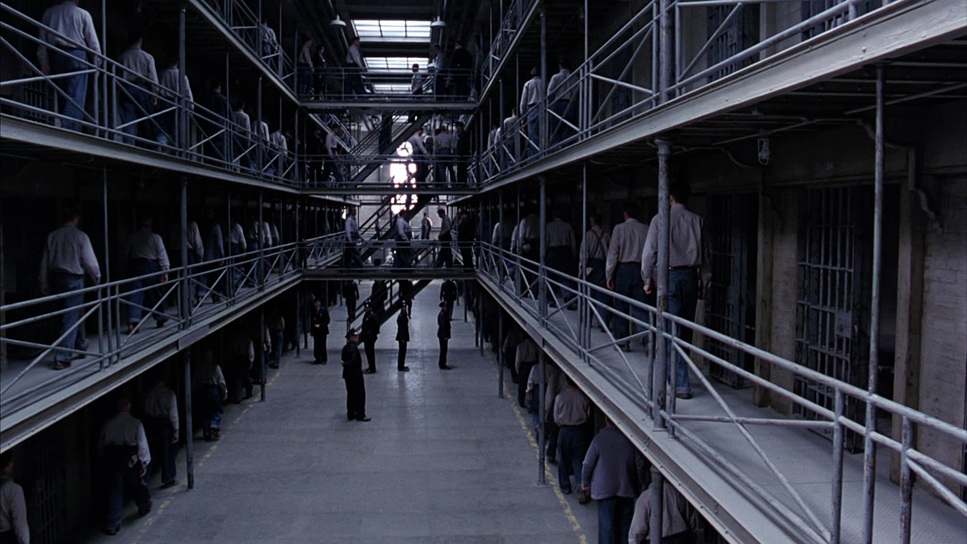
shawshank redemption - roger deakins

The Shawshank Redemption (1994)

Cinematographer Roger Deakins often frames his characters within structures like windows, hallways, and doorways, not just for beauty but for meaning. These internal frames mirror emotional and psychological barriers. In The Shawshank Redemption, prisoners are often visually boxed in, surrounded by the very architecture that defines their reality. It is not just incarceration of the body, but of the spirit.

In 1917, the trenches act like claustrophobic corridors that trap characters in a war they cannot escape. I love how Deakins lets the world around his subjects speak to their inner lives. His shots feel composed with empathy. You are not just seeing a place. You are understanding what it means to be in that place, at that moment in the story.


5. Controlled Camera Movement: Grace in Motion
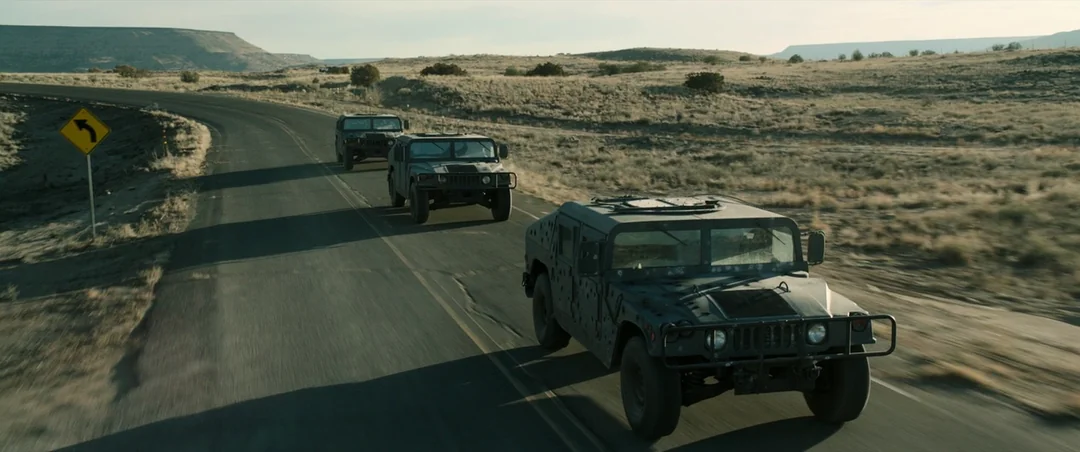
Sicario (2015)

Watching a film by cinematographer Roger Deakins, one of the first things I always notice is how calm the camera feels. His movement is never frantic, never there just for show. It follows emotion, not spectacle. In Sicario, for example, the camera glides through the desert like a predator. Slow, deliberate, patient. The tension becomes unbearable not because of flashy angles, but because the camera refuses to look away.

And then there is 1917, where the illusion of a single continuous shot is used not to impress, but to immerse. That film did not just move. It breathed. Deakins’ camera movements are full of grace, giving the audience the sensation of floating through the world rather than being shoved through it. It is a deeply respectful way to invite us into a story.


6. The Invisible Shot: Cinematographer Roger Deakins’ Signature Restraint
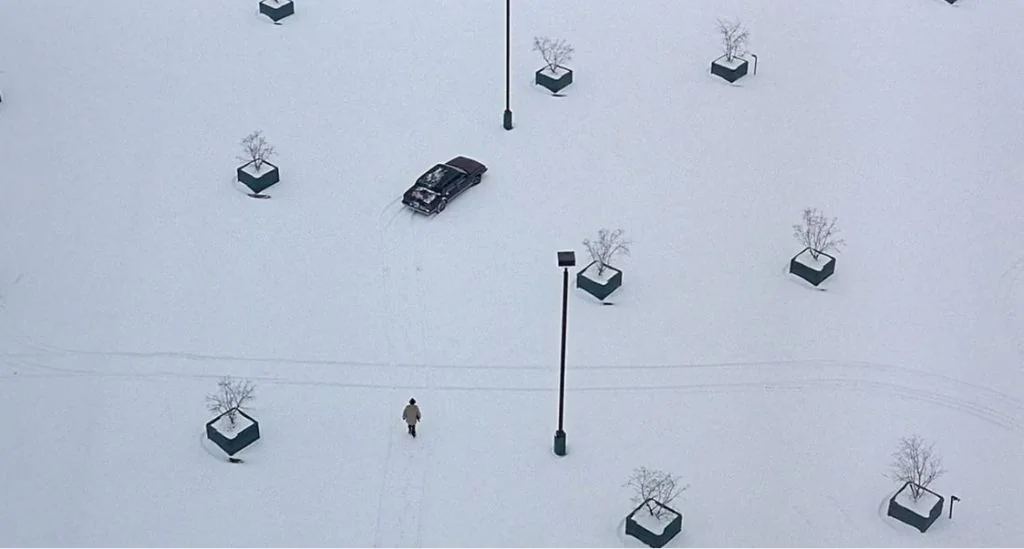
Fargo (1996)

If there is one thing that defines the brilliance of cinematographer Roger Deakins, it is his belief that cinematography should never call attention to itself. His work is so precise, so naturally embedded in the story, that you almost do not notice it until after the fact. And that is the point.

In Fargo, the wide snowy landscapes and silent framing draw you into the absurd mundanity of the world, not through gimmicks, but through sheer clarity. Deakins’ so-called invisible shots are like emotional mirrors. They do not show off, they reflect and feel like how you remember moments in real life, colored by feeling rather than flourish. His ability to step back, to resist over-stylizing, makes the impact of his imagery all the more powerful.


7. Color as Storytelling: Emotion Through Palette
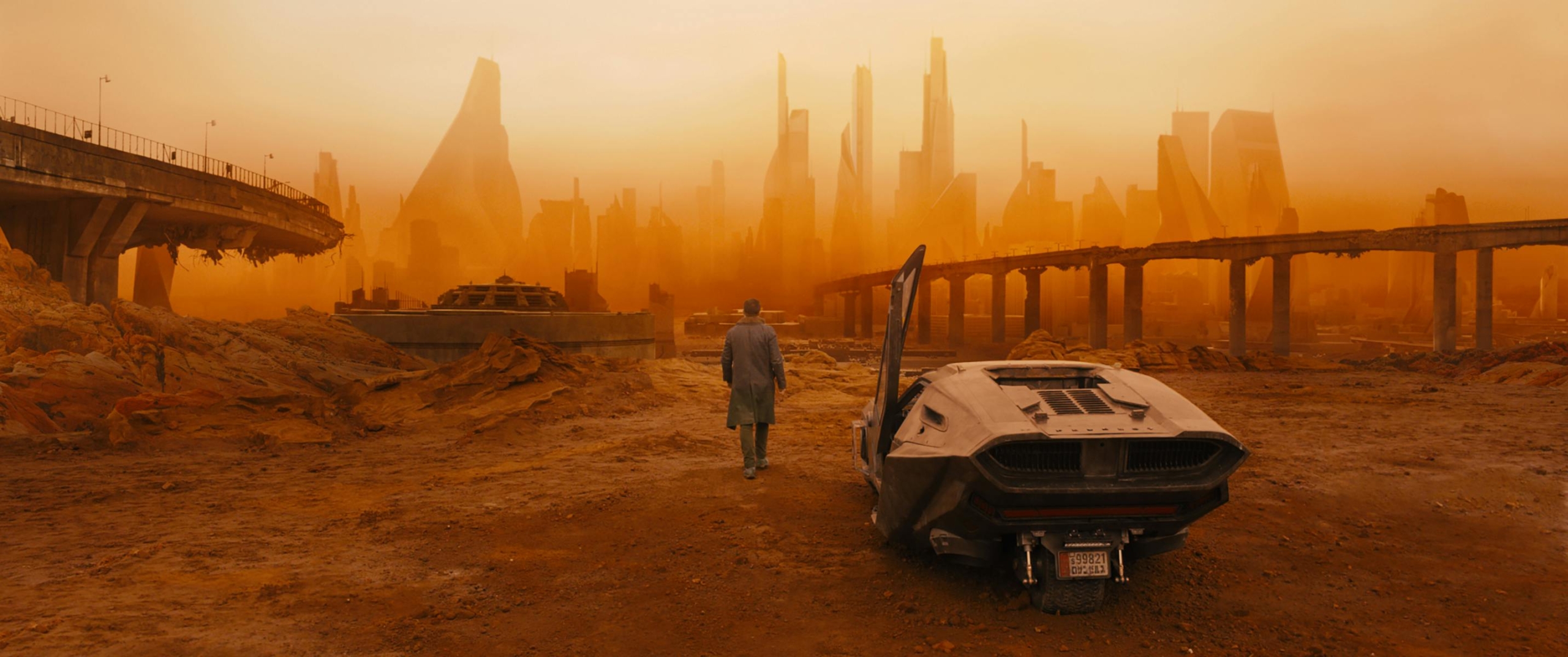
Blade Runner 2049 (2017)

The color palettes chosen by cinematographer Roger Deakins are never accidental. He chooses every hue with purpose and poetry. In Blade Runner 2049, the burnt-orange haze of Las Vegas burns into your memory, contrasting with the cold blues of the city and creating a stark visual divide between destruction and artificial control.

In O Brother, Where Art Thou?, the digitally manipulated sepia tone gives the film a dreamy, otherworldly nostalgia. That was one of the first times digital color grading was used so extensively, and it worked because it felt like an extension of the story’s mythology. Deakins treats color not just as visual flair but as an emotional current running through each frame. His colors do not just look good. They make you feel.


8. Layered Atmosphere: The Texture of a Memory
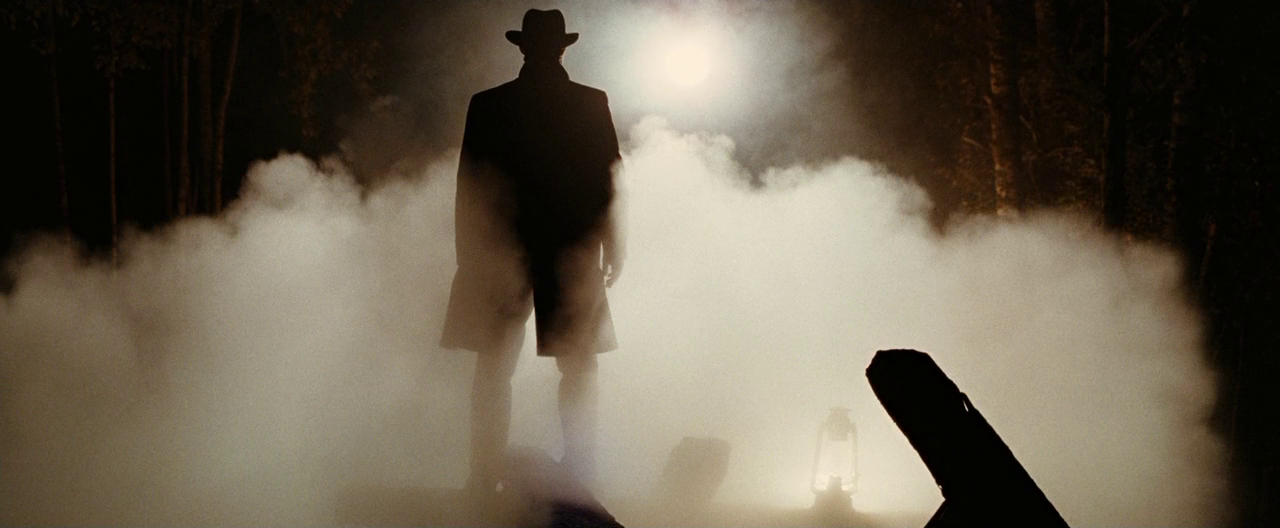
The Assassination of Jesse James by the Coward Robert Ford (2007)

Something I have always loved about cinematographer Roger Deakins is how he creates atmosphere that you can practically reach out and touch. Smoke, fog, dust, and haze are elements he uses not just for depth but for emotional texture. In The Assassination of Jesse James by the Coward Robert Ford, the landscapes often feel like they are dissolving into memory, with diffused light softening the edges of reality. It feels intimate, nostalgic, almost mournful.

In True Grit, dust and fog give the West a lived-in authenticity, turning the environment into a character of its own. The air in Deakins’ films seems thick with the weight of story, history, and silence. It is a reminder that film is not just about what you see. It is about what you feel lingering in the background.


9. Emotional Realism: Cinematography That Feels Human
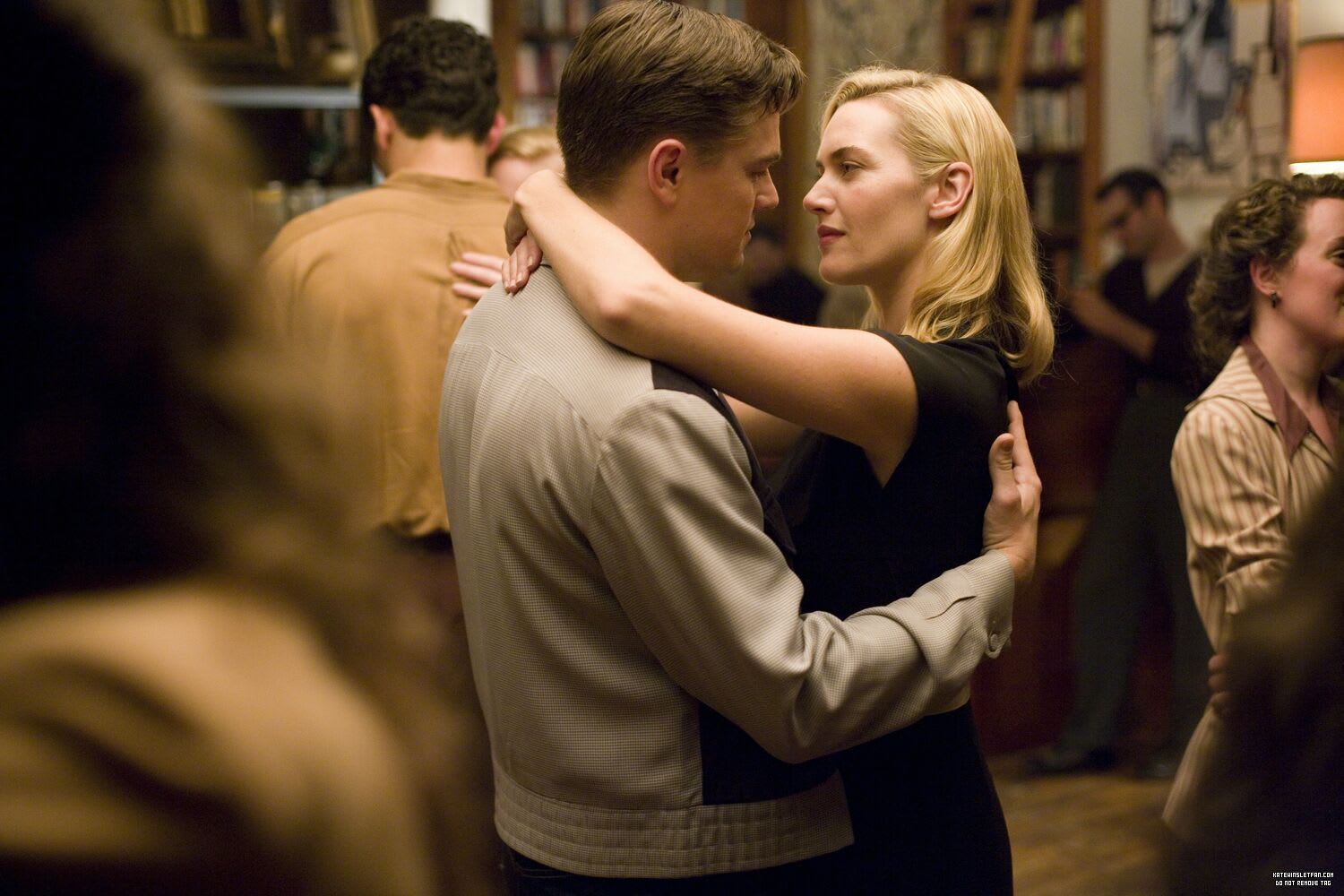
Revolutionary Road (2008)

Above all else, cinematographer Roger Deakins strives to capture the emotional truth of a scene. He does not manipulate or dramatize just for impact. Instead, he listens to the heartbeat of the story and lets that guide his choices. In Revolutionary Road, the framing is subdued and precise, reflecting the claustrophobic emotional distance between the characters.

In The Reader, soft lighting and quiet movement echo the film’s themes of guilt and longing. Deakins often places the camera at eye level, treating characters with dignity and inviting us to share in their inner lives. It is this sensitivity, this emotional realism, that makes his work resonate so deeply. You do not just watch his scenes. You experience them.


10. Story-Led Innovation: Pushing Boundaries with Purpose
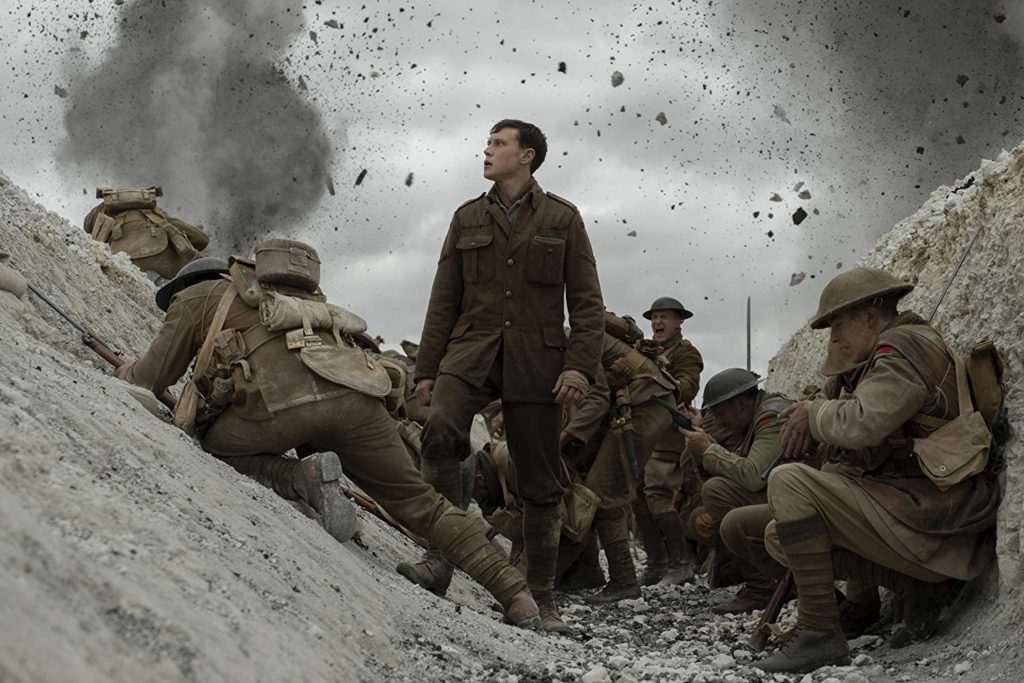
1917 (2019)

Cinematographer Roger Deakins is not afraid of innovation, but he never pursues it for its own sake. Every creative risk he takes is rooted in storytelling. Take 1917 again. The one-shot illusion required enormous technical coordination, but it was never about the gimmick. It was about immersing us in the soldiers’ journey and making every step, every second, feel real.

Or consider his pioneering use of digital color grading in O Brother, Where Art Thou?, which helped shape the look of an entire era. Deakins proves that technology should follow emotion, not the other way around. He reminds us that the most cutting-edge tools are only powerful when guided by a clear, heartfelt vision.


Final Thoughts on Cinematographer Roger Deakins’ Legacy

Cinematographer Roger Deakins continues to inspire filmmakers, critics, and movie lovers with his subtle mastery of the form. His work speaks in quiet tones yet leaves an echo that lasts for years. The techniques he uses—whether it is his commitment to realism, his mastery of shadow, or his emotionally grounded style—offer lessons for anyone seeking to tell visual stories with heart and honesty. Watching his films is like receiving a masterclass in cinematography, not just technically, but emotionally. If you are a filmmaker, study his work. If you are a film lover, savor it. And if you are both, like me, then you know that few artists have shaped the visual language of cinema quite like Roger Deakins.

screenwriting software

screenwriting software

Are you looking for the best screenwriting software to bring your screenplay ideas to life? Breaking into screenwriting doesn’t have to come with a hefty price tag. Whether you’re an aspiring writer or an experienced filmmaker looking for budget-friendly options, several free screenwriting software programs can help you craft your next screenplay. In this guide, we’ll explore the top five free screenwriting tools, highlighting their features, ease of use, and whether they cater to beginners or industry professionals.

FINAL DRAFT
The Industry Standard Screenwriting Software

Final Draft is the industry-standard screenwriting software used by professionals in Hollywood and beyond. While it does not offer a permanently free version, it provides a free trial that allows users to explore its advanced features. Final Draft includes industry-standard formatting, revision tracking, collaboration tools, and script breakdown features. Many major studios and production companies require screenplays to be formatted using Final Draft, making it essential for anyone pursuing a professional career in screenwriting.

  • Paid
  • Best For: Professional screenwriters or those serious about transitioning into the industry.
  • Industry Standard? Yes, it is widely regarded as the go-to screenwriting software for professionals.


InFocus Film School Writing Program

Click here to learn more about InFocus Film School’s Writing for Film and Television Program!

CELTX
A Versatile Screenwriting Software

Celtx is one of the most well-known screenwriting tools available. The free version provides basic screenwriting features, including script formatting, auto-complete functions, and collaboration tools. However, to access more advanced features such as storyboarding, production scheduling, and budgeting tools, users must upgrade to a paid plan. The software is particularly useful for filmmakers who want an all-in-one pre-production suite in addition to scriptwriting.

  • Free and Paid Options
  • Best For: Beginners and intermediate writers looking for an easy-to-use interface with cloud-based collaboration.
  • Industry Standard? No, but it’s a great stepping stone for those new to screenwriting.

WRITERDUET
Best Screenwriting Software for Collaboration

WriterDuet is another cloud-based screenwriting software that allows real-time collaboration, making it perfect for writing teams. The free version lets users write up to three scripts, while the paid version unlocks unlimited scripts and additional formatting tools. One of its standout features is version history, allowing writers to track changes and revert to previous drafts if necessary. The software also integrates seamlessly with Final Draft, making it a useful tool for writers who may eventually transition to the industry-standard software.

  • Free and Paid Options
  • Best For: Collaborative writers who want an intuitive interface and real-time feedback.
  • Industry Standard? No, but it’s a strong alternative for those working in teams.

FADE IN
A Professional Screenwriting Software Alternative

Fade In is a professional-grade screenwriting software that offers a free trial version with limited features. The full version, which includes industry-standard tools like revision tracking, formatting customization, and built-in collaboration tools, requires a one-time purchase. Unlike Final Draft, which uses a proprietary file format, Fade In allows for seamless export to multiple formats, including PDF and Final Draft (.fdx) files. This makes it a highly versatile option for writers who want flexibility in how they share and edit their scripts.

  • Free and Paid Options
  • Best For: Intermediate to advanced writers who may eventually transition to paid software.
  • Industry Standard? Yes, many professionals in Hollywood use Fade In as an alternative to Final Draft.

ARC STUDIO
A Modern Screenwriting Software

Arc Studio is a relatively new but powerful screenwriting software with an emphasis on a clean interface and cloud-based collaboration. The free version provides essential screenwriting features, while the pro version includes automatic formatting, revision history, and PDF exports. Arc Studio is designed to minimize distractions, making it an excellent choice for writers who want a sleek, modern, and intuitive workspace. It also features a unique outlining tool, helping writers structure their scripts before diving into the actual writing process.

  • Free and Paid Options
  • Best For: Beginners and writers who enjoy cloud-based writing tools with a modern interface.
  • Industry Standard? Not yet, but it’s gaining popularity due to its sleek design and ease of use.

TRELBY
A Simple Screenwriting Software
*Honorable Mention

Trelby is an open-source screenwriting software available for Windows and Linux users. It provides a clean and distraction-free writing environment with automatic formatting. While it lacks cloud-based collaboration and mobile support, its offline functionality makes it a solid choice for solo writers. Trelby is especially useful for writers who want a lightweight, no-cost solution without worrying about subscriptions or trial limitations.

  • Completely Free
  • Best For: Writers who prefer an offline, no-frills, distraction-free writing experience.
  • Industry Standard? No, but it’s an excellent free alternative for personal projects.

Which Screenwriting Software Should You Choose?

  • Beginners: Arc Studio and Celtx offer user-friendly interfaces and helpful features for new writers.
  • Collaboration: WriterDuet is ideal for teams working together in real-time.
  • Industry-Level Writing: Final Draft and Fade In are top choices for professionals.
  • Filmmakers: Celtx is a great choice due to its pre-production features.
  • Offline Writing: Trelby is the best option for those who prefer working without internet connectivity.

If you’re serious about screenwriting but aren’t ready to invest in paid software, these free options provide plenty of tools to get started. Each of these screenwriting software programs offers unique features to help you streamline your creative process. Experiment with them and find the one that best suits your workflow. Happy writing!

Chenneth Weeratnee

chenneth weeraratne sundar film prize

InFocus Film School Film Production graduate Chenneth Weeraratne’s passion for film has propelled him into an exciting and successful career, where he has already made significant strides in the industry. One of his most notable achievements is ‘Female and Furious,’ a coming-of-age comedy drama about Rager Rip, “a heated skater who must come to terms with her anger issues in order to join the infamous Storm’s skate gang.” The film has been officially selected as part of the Sundar Prize Film Festival, set to screen in Surrey, BC, on April 11.

“I was drawn to this project when I was approached by Ritisha Jhamb, one of my fellow producers who got me onto it,” Chenneth shares. “Women working in film is something of great importance. A story like this, backed by a predominantly women-led producer team, speaks volumes! Therefore, I was more than happy to provide my support for a project that was both fun and, nevertheless, important!”

Clip of 'Female and Furious'

Clip of ‘Female and Furious’

Catching Fire in the Indie Film Scene

Beyond ‘Female and Furious’ being screened at Sundar Prize Film Festival, Chenneth co-founded Bonfire Productions alongside Jaida Sanada, Ryan Kwan, and Jonathan Liu.

“After spending many long nights and shoots together in the past year, a thought came to me that maybe we should set a foundation in film that we would have some control over as creatives,” he explains. “Alongside this, my friends and I had been on a camping trip recently. It was when we had spent the night together around a campfire that we came up with ‘Bonfire.’ The meaning behind it lies in our friendship and the passion, empathy, and hard work that we put into all of our projects.”

While ‘Female and Furious’ isn’t a Bonfire project, the company has already produced films like ‘Tucker’s Puppets’ and is currently working on ‘Jinsei No Toki’ and ‘Panorama.’

The Impact of InFocus Film School

Reflecting on his time at InFocus, Chenneth recalls starting as a complete beginner, unsure of the intricacies of filmmaking.

“I had grown up perpetually interested in film and not knowing how it worked. I was a complete beginner when I started my year at the school. However, upon completion of my diploma, I left with so much valuable experience and practice that even years later I have been able to apply with much success! Whether it be knowing how to run a set or deal with issues that arise, I have much of those skills to thank InFocus for!”

One of the greatest lessons Chenneth took from InFocus was the importance of empathy in filmmaking.

“You can be great at something technical or know how to do something the ‘correct’ way, but if you don’t treat people with understanding and the willingness to learn, you’ll soon find out why filmmaking requires a team effort. They don’t say ‘it takes a village’ for nothing!”

Moving Forward with Confidence

Today, Chenneth continues to thrive, taking on leadership roles within the filmmaking community, including serving as VP of Productions for UBC’s IndieVision film collective. “IndieVision acts as a platform for people to connect in film and learn about new opportunities, access workshops, panels, and other film events. It has allowed people such as myself to find projects to take on and be a part of a welcoming and thriving film community!”

His advice to aspiring filmmakers? “Believe in what it is you want. I spent many years doubting myself within a film context until I was able to surround myself with people that uplifted me. However, at the end of the day, it took me recognizing that I was responsible for what I achieved that brought me to where I am today!”


InFocus Film School alumnus Shanthini Balasubramanian’s film Velvet Secrets is also screening as part of Sundar Prize Film Festival!

Read more about our Film Production Program.

Film Lighting

Film Lighting

The Importance of Lighting and Grip Gear in Cinematic Filmmaking: A Look at the BC Film Industry


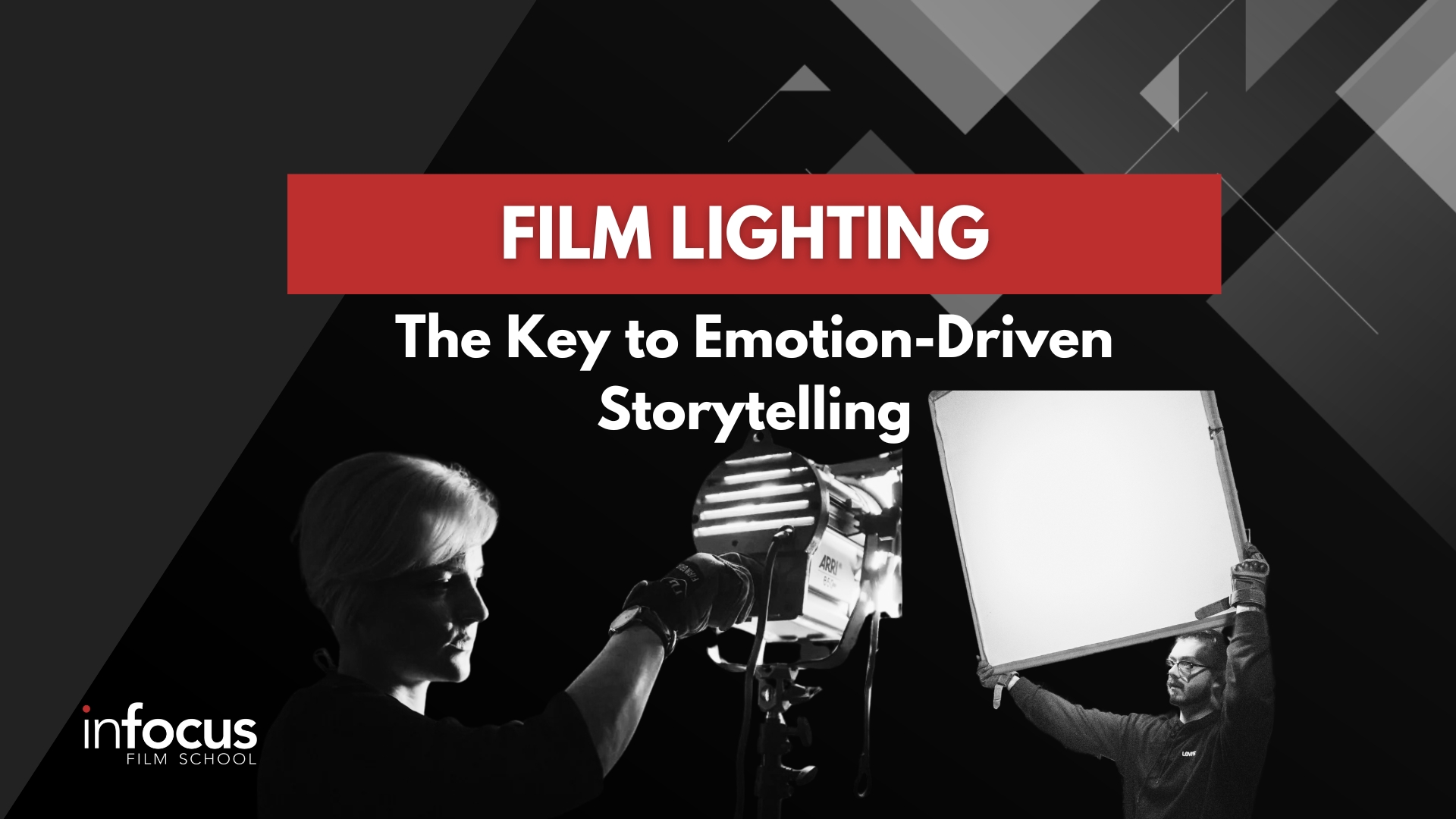
Filmmaking is a highly collaborative process, requiring the expertise of many professionals and a vast array of equipment. One of the most essential aspects of creating a high-quality cinematic film is the use of lighting and grip gear. These elements, while often unseen by the audience, play a critical role in shaping the visual look, mood, and atmosphere of a film. The reason there are so many trucks filled with lighting and grip gear on a feature film set is because creating the right visual effects and ensuring smooth operation on set involves a complex interplay of technology, safety, and artistry.

Lighting and Grip Gear: Essential Tools for Cinematic Excellence


Lighting is fundamental to filmmaking because it dictates how the audience perceives the story. It establishes mood, directs attention, enhances the texture of scenes, and emphasizes the emotional weight of moments. The complexity of lighting setups required for a high-quality cinematic film is one reason why so many trucks are needed. These trucks are filled with different types of lights, diffusers, flags, and gels, each serving a specific function to create the perfect look. For instance, soft lights are often used to create a flattering, diffused glow, while hard lights may cast sharp shadows for more dramatic effects. Lighting also involves the strategic use of color to create emotional resonance, with gels and filters being used to alter the hue of the lights and add atmosphere.
Grip gear, which includes a variety of tools such as stands, rigging equipment, dollies, and cranes, supports the lighting setup and ensures that the physical aspects of the shoot run smoothly. Grip equipment also helps control the environment by modifying lighting and shadows or controlling the movement of cameras. For example, a “bounce” is a large reflective surface used to redirect light, and a “flag” is a material used to block light. This intricate network of lighting and grip tools allows the cinematographer to manipulate the visual narrative in ways that are not immediately obvious but deeply impactful to the audience.

The Importance of Lighting and Grip Jobs


The roles of the lighting and grip teams are indispensable in the film industry. The lighting crew, led by the gaffer (chief lighting technician), works closely with the cinematographer to achieve the desired visual effect. The gaffer must have a deep understanding of both the technical and creative aspects of lighting, from controlling the color temperature to ensuring the right intensity of light. The grip team, led by the key grip, manages the equipment that supports the lighting setup, including camera rigs, platforms, and cranes. The key grip works closely with the gaffer to create the ideal lighting conditions while ensuring the safety of the crew.
These jobs require not only technical expertise but also creative problem-solving skills. In large-scale productions, these departments may work for hours to achieve just the right effect, ensuring every scene has the appropriate atmosphere and visual clarity. The intricacy of their work cannot be overstated, as even minor adjustments to lighting or the placement of a flag can have a profound impact on the final result.

A High-Quality Cinematic Film Set


A high-quality film set typically involves many professionals. Beyond the gaffer and key grip, there are camera operators, production designers, sound engineers, costume designers, makeup artists, actors, directors, and more, each contributing to the overall vision. Depending on the scale of the production, a feature film may have anywhere from 50 to over 200 people working on set. The role of lighting and grip teams remains crucial in such large teams, as their work lays the foundation for the cinematographic and visual elements that will ultimately tell the story.

The BC Film Industry: A Hub for Talent and Innovation


British Columbia has become a significant hub for the film industry, known for its diverse landscapes, world-class talent, and growing production facilities. Vancouver, in particular, is often referred to as “Hollywood North,” with many major productions choosing to film in the region due to its vibrant infrastructure and skilled workforce. The BC film industry has gained recognition for producing high-quality films and television shows, offering a wide range of production services, including state-of-the-art lighting and grip gear. The robust industry infrastructure in BC makes it an ideal location for both local and international filmmakers, ensuring the technical needs of a feature film are met without compromise.
In conclusion, lighting and grip departments are essential to the success of any cinematic film, ensuring the visual elements are not only functional but also artistically compelling. The sheer volume of gear and number of professionals involved in these roles demonstrates their importance in creating high-quality films. The BC film industry, with its rich resources and experienced workforce, continues to be a prime example of how the collaboration between skilled technicians and creative minds brings cinematic visions to life.


Learn more about InFocus Film School’s Film Production Program